Meal Prep for Weight Loss: Busy Parents' Secret to Health
Key Takeaways
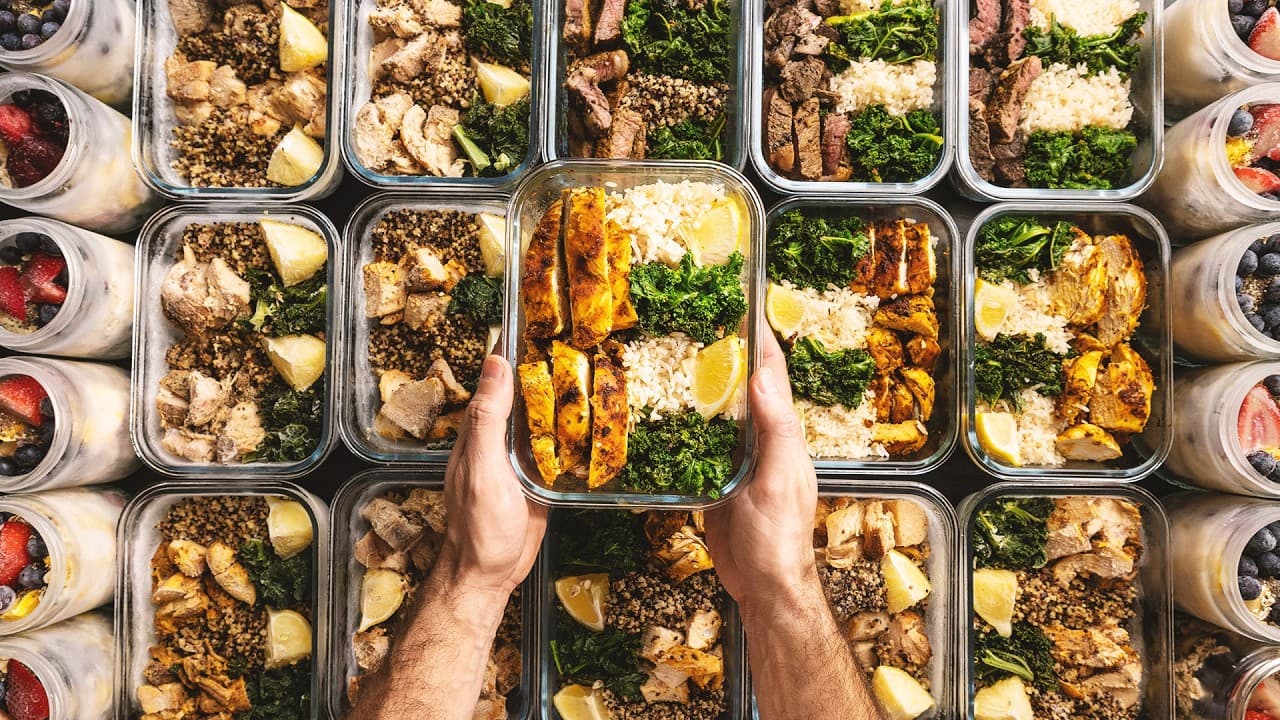
- •46 lunches averaged 529 calories, 48g protein, 54g carbs, and cost $3.12 each — a strong return on a single prep session.
- •Ingredient swaps were deliberate: kale over spinach (oxalates), quinoa over rice (arsenic), bone broth for flavor and added collagen.
- •Smoothies hit 38g protein at 310 calories but cost $5.32 each — nearly double the lunches, driven by protein powder and Greek yogurt.
Why Meal Prep Actually Works for Busy Parents
The pitch for meal prep for weight loss usually comes from fitness influencers with a lot of free time. In his video I meal prepped 46 boring lunches to be healthier, Matt D'Avella's approach is different: he's got a new baby, limited cooking skills by his own admission, and zero interest in making lunch a daily decision. The goal wasn't culinary ambition — it was automation. Prepare everything once, remove the friction, eat better by default. He set specific macronutrient targets for each lunch (30g protein, 30g carbs, 5g fat) and built the whole system around hitting those numbers consistently rather than making anything interesting.
The new-parent angle is what makes this feel honest rather than aspirational. He's not optimising for joy. He's optimising for not ordering takeout at noon because he forgot to think about food again.
The Complete Meal Prep Strategy: 46 Lunches and 14 Smoothies
Setting Your Macronutrient Targets
The targets he set — 30g protein, 30g carbs, 5g fat per lunch — are conservative by bodybuilding standards but sensible for someone focused on general health and satiety rather than muscle gain. What he actually landed on was higher: 48g protein and 54g carbs per meal, with fat creeping up to 12g. The smoothies were planned alongside the lunches as a separate protein vehicle, targeting similar macro ratios and averaging 38g protein at 310 calories. Running two parallel prep tracks — solid meals and frozen smoothies — is more ambitious than most people attempt on their first serious prep session, and the fact that it worked is mostly down to keeping the recipes simple enough that there wasn't much to go wrong.
Choosing Quality Ingredients for Nutritional Safety
The ingredient choices here are more considered than they look. Chicken and steak for protein are obvious, but the decision to use kale instead of spinach in smoothies came from research into oxalates — compounds found in high concentrations in spinach that can contribute to kidney stones with regular heavy consumption. Similarly, quinoa replaced rice specifically to reduce arsenic exposure, a real concern with rice consumed daily over long periods. These aren't the kinds of substitutions most meal prep content bothers to justify, which makes them worth paying attention to.
The oxalate and arsenic swaps are the most interesting part of this video and they get the least airtime. Swapping spinach for kale and rice for quinoa based on long-term accumulation risk is exactly the kind of thinking that doesn't show up in most meal prep content, which tends to treat all whole foods as interchangeable. The fact that he buried those decisions in an ingredient walkthrough rather than leading with them suggests he didn't fully clock how unusual that level of dietary due diligence is for a non-nutrition creator.
The smoothie cost is a quiet problem he doesn't fully address. At $5.32 each versus $3.12 for the lunches, the smoothies are nearly twice as expensive per serving for fewer calories. If the goal includes budget efficiency — and he says it does — that gap deserves more scrutiny than a passing mention of protein powder prices.
There's also a broader point worth making about the format itself. Most meal prep content is built around aspirational variety — colourful macros, rotating cuisines, something for every mood. D'Avella's system is deliberately the opposite: repetitive, intentionally boring, engineered to eliminate decision fatigue rather than reward it. That's a meaningful philosophical split, and it maps onto two genuinely different relationships with food. One treats eating as an experience to be curated; the other treats it as a logistics problem to be solved. Neither is wrong, but the second approach is dramatically underrepresented in food content, probably because it doesn't photograph well and doesn't generate recipe engagement. The fact that a filmmaker known for aesthetic sensibility landed firmly in the logistics camp is quietly telling about what actually happens when life gets complicated.
Finally, the scalability question is underexplored. Forty-six lunches works for one person eating five days a week. For a household of two, you'd be looking at half that runway, higher ingredient volumes, and a prep session that probably crosses into Sunday-evening territory. The system as presented is well-suited to a single adult with a predictable schedule — which describes a shrinking slice of the people who most need something like it.
Frequently Asked Questions
Can you lose weight just by meal prepping?
What is the 30/30/30 weight loss plan?
How much does it actually cost to meal prep a week of lunches?
Is kale actually better than spinach for daily smoothies?
Is quinoa actually safer than rice for meal prep you eat every day?
Based on viewer questions and search trends. These answers reflect our editorial analysis. We may be wrong.
Source: Based on a video by Matt D'Avella — Watch original video
This article was created by NoTime2Watch's editorial team using AI-assisted research. All content includes substantial original analysis and is reviewed for accuracy before publication.