How to Plant Weeping Blue Spruce Trees: Garden Answer's Guide
Key Takeaways
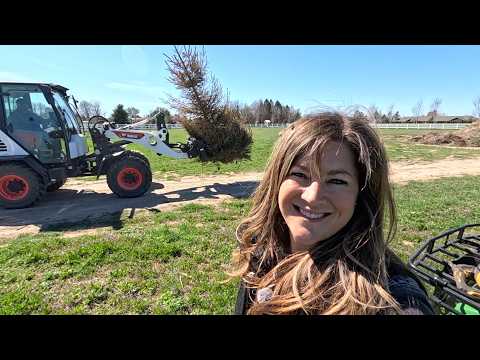
- •Garden Answer's latest video covers the planting of a 'The Blues' weeping Colorado blue spruce alongside existing rock formations, alongside the removal of a declining spruce tree from the garden's main entryway.
- •Laura walks through how she positioned the new weeping spruce to account for its projected six-foot spread and full-sun requirements, while explaining why a struggling spruce near the mailhouse had to come out entirely after two years of visible decline.
- •The video, titled 'Seedling Tour, Planting & Removing Spruce Trees + Weeding!', also touches on what went wrong with previous spruce plantings, pointing to poor soil conditions and unconventional winter storage as likely culprits.
What Makes 'The Blues' Worth Planting
The Blues weeping Colorado blue spruce is not your standard upright conifer. It weeps. Dramatically. The main leader arches and the lateral branches cascade downward, which means it behaves less like a traditional evergreen and more like a living sculpture. In a recent video, Garden Answer's Laura planted one specifically to complement a large existing rock formation — and that pairing makes immediate sense once you see it. Rock and weeping spruce share the same visual language: weight, permanence, texture. The plant is rated for zones 2 through 8, tolerates full sun without complaint, and tops out at a spread of around six feet at maturity. It's the kind of plant that looks intentional even when the rest of the garden is still figuring itself out.
Placement Is the Whole Game
Laura didn't just drop the spruce in a convenient open spot. She thought about where the rock sat, how the plant would grow outward over the coming years, and what six feet of horizontal spread actually looks like in a real garden bed. That last part is something most homeowners skip entirely, and then spend a decade fighting a plant that has eaten their walkway. When planting near a focal point like a boulder or a garden wall, the weeping form needs enough breathing room to drape naturally without crowding the feature it's supposed to enhance. Positioning it too close defeats the entire visual purpose. She also accounted for the fact that the main leader can be trained upward to achieve a desired height, which gives you a surprising amount of control over a plant that looks, at first glance, like it does whatever it wants.
What Actually Kills Spruce Trees
Not every spruce Laura's garden has seen made it. Some Norway and Hoopsii blue spruces struggled and declined, and the explanation she lands on is two-fold. First, the soil at certain planting sites was extremely compacted and poor in quality, the kind of ground that fights a root system from day one. Second, a handful of trees spent winter in containers as living Christmas decorations, which is a charming idea right up until it isn't. That kind of unconventional storage disrupts the tree's dormancy cycle in ways that show up as decline later. She also flags watering timing as critical: spruces need water when the top several inches of soil dry out, not on a rigid schedule. If you're troubleshooting a struggling spruce in your own garden, soil quality is the first place to look, not the tree tag. You can watch the full breakdown in Seedling Tour, Planting & Removing Spruce Trees + Weeding! 🌱🌲🪓 // Garden Answer.
Our Analysis: Garden Answer does the practical stuff well here. The spruce removal segment is the most honest moment in the video because she admits the tree looked bad for years before they pulled it. That gap between knowing something needs to go and actually doing it is where most gardens quietly fall apart.
The hose reel recommendation feels underbaked. Telling viewers a product is good value but not the best, without naming what the best actually is, leaves them nowhere useful to go.
The seedling thinning advice is solid and genuinely underserved content. More of that, less product hedging.
What's worth dwelling on, though, is the broader lesson buried in the spruce failure post-mortem. The combination of compacted soil and disrupted dormancy isn't a niche problem — it's an extremely common failure pattern that most gardening content glosses over in favor of plant selection and aesthetics. The honest accounting of what went wrong, and the willingness to name specific culprits rather than vague environmental factors, is exactly what separates useful garden documentation from aspirational catalog content. There's also something instructive about the timeline here: two full years of visible decline before removal. That's not negligence — that's the realistic pace of decision-making in a working garden where you're always weighing intervention against hope. More creators should be willing to document that window, because it's where most gardeners actually live.
Frequently Asked Questions
What time of year do you plant blue spruce trees?
Can I plant spruce trees in the fall?
How fast do weeping blue spruce trees grow, and does that affect where you should plant them?
How do you properly plant weeping blue spruce trees to avoid the decline that kills so many of them?
How do you use a weeping spruce effectively in landscape design without it looking out of place?
Based on viewer questions and search trends. These answers reflect our editorial analysis. We may be wrong.
Source: Based on a video by Garden Answer — Watch original video
This article was created by NoTime2Watch's editorial team using AI-assisted research. All content includes substantial original analysis and is reviewed for accuracy before publication.