How to Grow Sweet Pea Seeds: Laura's Indoor Starting Guide
Key Takeaways
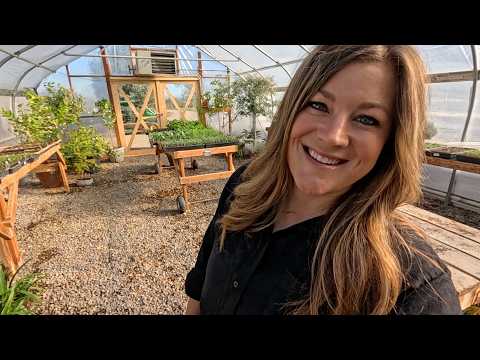
- •Garden Answer's Laura walks through her complete process for starting sweet pea seeds indoors in a video titled 'Planting Blueberries & Sweet Pea Seeds + West Side Flower Bed Clean Up!' — covering seed soaking, container choice, and soil preparation.
- •She works with 'Old Spice' variety seeds from 2017, demonstrating why soaking breaks down hard seed coats to improve germination and why deep root trainers are the right container for a plant that absolutely hates having its roots disturbed.
- •For gardeners wondering how to grow sweet pea seeds with older stock, her strategy of planting multiple seeds per cell and discarding floaters offers a practical, low-tech solution to the viability problem.
Why Sweet Pea Seeds Need a Soak Before They'll Do Anything
Sweet pea seeds are stubborn. Their outer shell is hard enough that water struggles to penetrate at a normal pace, which means germination may be significantly delayed or reduced if you just drop them in soil and hope without consistent moisture. Garden Answer's Laura demonstrates the fix in Planting Blueberries & Sweet Pea Seeds + West Side Flower Bed Clean Up! 🫐😃🌸: soak them in water first, ideally for a full 24 hours, to physically soften that outer coating and give the seed interior access to moisture. The 24-hour mark is the benchmark she references, though she notes that a shorter soak can work if you're disciplined about keeping the soil moist afterward. The seed needs hydration one way or another — soaking just front-loads that process before the seed ever touches dirt. It sounds almost too simple, and yet most first-time sweet pea growers skip it entirely and then wonder why their tray is empty.
What Happens When Old Seeds Soak Too Long
Laura's seeds were from 2017. That's not ideal. After soaking — possibly longer than intended, given the warmth of her environment — the seeds had visibly swelled and some of the outer coatings had split open. This is the kind of thing that would make any gardener nervous, and reasonably so. Seeds with cracked coats are in a race: get them in soil and germinating before that exposed interior deteriorates. She also applied the float test during the soak, pulling out any seeds that rose to the surface. Floating seeds lack the density of viable ones, which means the embryo inside has either dried out or never developed properly. If it floats, it's not going to sprout — toss it. The ones that sank got planted, split coats and all, because at that point you commit.
Deep Root Trainers Are Not Optional for Sweet Peas
Container choice for seed starting often comes down to whatever's convenient, but for sweet peas that logic will cost you. Laura specifically uses deep root trainers rather than standard cells or paper pots, and the reason is root architecture. Sweet peas develop long root systems quickly, and more critically, they are highly sensitive to root disturbance at transplanting. Disrupting those roots, even partially, can stall establishment badly. Deep root trainers solve this by giving the roots somewhere to go vertically, while also opening at the base to allow clean transplanting with minimal interference. Paper pots, which she mentions as an alternative some gardeners use, can work in theory but don't accommodate the same root length. If you're figuring out how to grow sweet pea seeds indoors with an eye toward transplanting successfully, the container decision matters more than most guides admit.
Our Analysis: Planting seven-year-old sweet pea seeds without a germination test first is the kind of optimism that wastes a whole season. A wet paper towel and 48 hours tells you what you're actually working with before you commit cells, soil, and space. The float test helps at the individual seed level, but it's a triage tool — it culls the obvious failures without telling you much about the germination rate of what remains. A proper paper towel test on a small sample before you even soak the full batch would give you real numbers to plan around.
There's also a broader point worth making about old seed stock that the video doesn't fully address: degraded seeds don't just fail to germinate — they can germinate weakly, producing seedlings that look viable for a few weeks before quietly underperforming. You might not know until mid-season that your stand was compromised from the start. The multiple-seeds-per-cell strategy hedges against outright failure, but it doesn't hedge against that slower kind of disappointment.
The blueberry situation is the real story here. Treating them as annuals in hostile soil conditions is honest advice most gardeners never hear. The container approach with active pH management is the right call, but the video breezes past how aggressively pH can rebound, which means this is a maintenance commitment, not a one-time fix.
Frequently Asked Questions
Are sweet peas hard to grow from seed?
Can you plant sweet pea seeds straight into the ground?
Will sweet peas come back every year?
How long should you soak sweet pea seeds before planting?
Can you still germinate old sweet pea seeds that are several years past their date?
Based on viewer questions and search trends. These answers reflect our editorial analysis. We may be wrong.
Source: Based on a video by Garden Answer — Watch original video
This article was created by NoTime2Watch's editorial team using AI-assisted research. All content includes substantial original analysis and is reviewed for accuracy before publication.