US Embargo on Cuba Oil Sanctions Tightens
Key Takeaways
- •The Trump administration has tightened the US embargo on Cuba oil sanctions, cutting off Venezuelan energy supplies to the island following the removal of Nicolás Maduro and the recovery of American oil assets seized in 2009.
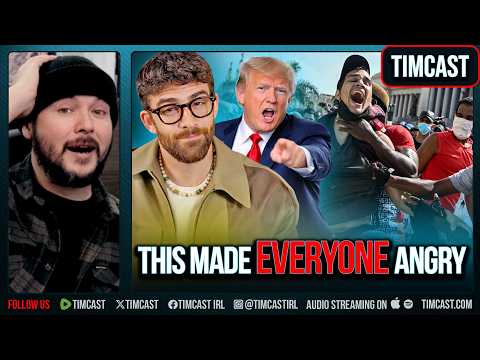
- •Tim Pool's video covers the policy shift alongside a parallel controversy: left-wing activists, including Hasan Piker and Code Pink, traveled to Cuba claiming to deliver humanitarian aid while staying in five-star hotels during nationwide blackouts.
- •The broader play, according to Pool, is about maintaining US economic dominance through the petrodollar system and keeping adversarial powers out of the Western Hemisphere.
The US Embargo on Cuba: Oil Sanctions and Economic Pressure
The US embargo on Cuba oil sanctions didn't tighten in a vacuum. The Trump administration moved against Cuba's energy supply directly after ousting Venezuelan president Nicolás Maduro — and the timing wasn't coincidental.
The new sanctions go beyond Cuba itself, targeting any third-party nation that attempts to ship oil to the island. That's a significant escalation. Cuba had been running on Venezuelan crude for years, and that lifeline is now effectively severed.
How the Venezuela Crisis Triggered Renewed Cuba Sanctions
In 2009, Venezuela nationalized US oil infrastructure — rigs, pipelines, the works. The Trump administration's removal of Maduro allowed Washington to recover those assets, and Cuba sanctions followed almost immediately as a second move.
The logic is straightforward: Venezuela was Cuba's energy patron. Take out the patron, then cut off the supply route, and you've applied simultaneous pressure on two adversarial governments with one coordinated sequence of actions.
The Petrodollar System and US Geopolitical Strategy
In a recent video, Tim Pool frames this as part of something bigger than Cuba. The petrodollar system — the arrangement where global oil trade is denominated in US dollars — underpins American economic dominance, and Washington treats threats to it seriously.
Allowing rival powers to build resource-dependency networks in the Western Hemisphere, Pool argues, chips away at that system. The Monroe Doctrine is old, but apparently it still has teeth — just expressed through sanctions rather than gunboats. You can watch Pool break down the full policy shift in this just pissed off everyone.
Our Analysis: Pool's core point lands — sanctions are a pressure tool, not a punishment fetish, and the hypocrisy of socialist influencers flying first-class to document poverty is genuinely hard to defend.
What gets glossed over: the embargo has been running for 60 years and Cuban suffering predates every recent geopolitical move, so crediting it as the clean solution oversimplifies a messy track record.
The broader pattern here is the petrodollar fight — every Venezuela, every Cuba, every sanctions regime is really a proxy battle over who controls global energy settlement, and that war is accelerating fast.
There's also a question the video doesn't fully sit with: what happens when the pressure works structurally but fails humanitarianly? Squeezing Cuba's energy supply hits the regime's capacity to function, yes — but it hits ordinary Cubans first and hardest. The blackouts aren't a side effect; they're the mechanism. That's a morally uncomfortable place to park a policy win, even if the geopolitical calculus is sound.
The influencer angle is worth taking seriously beyond the dunking opportunity it provides. When prominent left-wing figures travel to a country mid-crisis and stay in luxury accommodations, they're not just being hypocrites — they're actively lending legitimacy to a government using their presence as propaganda. That has real consequences for how the regime frames international opinion, and it muddies the waters for genuine humanitarian advocacy that operates under far worse conditions.
Finally, the third-party sanctions component is the sleeper issue here. Threatening countries that ship oil to Cuba is a significant extraterritorial move — one that allies and rivals alike will notice. It's the same playbook used against Iranian oil buyers, and it works, but it also accelerates the search for dollar-alternative settlement systems among nations that don't want to be next on the list. The petrodollar system Pool describes is exactly what those nations are quietly working to route around. Tightening the embargo may win the Cuba battle while nudging the longer war in the wrong direction.
Frequently Asked Questions
Does the US embargo on Cuba oil sanctions actually apply to third-party countries shipping oil to the island?
Did Obama end the Cuba embargo, and did Trump fully reverse that?
How does Venezuela's political situation actually connect to the new Cuba sanctions?
What is the petrodollar system, and why does it make Cuba a geopolitical priority for the US?
Why are left-wing activists like Hasan Piker traveling to Cuba right now?
Based on viewer questions and search trends. These answers reflect our editorial analysis. We may be wrong.
Source: Based on a video by Tim Pool — Watch original video
This article was created by NoTime2Watch's editorial team using AI-assisted research. All content includes substantial original analysis and is reviewed for accuracy before publication.