Visceral Fat Reduction: What It Is, Why It's Dangerous
Key Takeaways
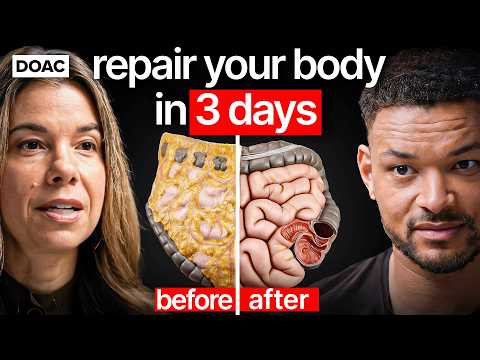
- •Visceral fat — the internal fat wrapped around your organs — is quietly killing people who think they're healthy, according to anti-aging expert Dr.
- •Rhonda Patrick, speaking on Steven Bartlett's The Diary Of A CEO in a video titled 'Anti-Aging Expert: Stop Touching Receipts Immediately!
- •The Fast Way To Shrink Visceral Fat!' Patrick explains why even lean individuals carry dangerous levels of this metabolically active fat, and what actually moves the needle on visceral fat reduction: high-intensity exercise, morning fasting, and a few targeted supplements.
What Is Visceral Fat and Why It's Dangerous
Visceral fat isn't the stuff you can pinch. It lives deep inside the abdominal cavity, packed around your liver, pancreas, and intestines — and unlike regular body fat, it's metabolically active, meaning it's constantly doing things you don't want it to do.
Dr. Rhonda Patrick, appearing on Anti-Aging Expert: Stop Touching Receipts Immediately! The Fast Way To Shrink Visceral Fat! on The Diary Of A CEO, is unambiguous about the stakes: high visceral fat is independently linked to early mortality, metabolic syndrome, and certain cancers — regardless of how much you weigh overall.
Visceral Fat vs. Subcutaneous Fat: Key Differences
Subcutaneous fat sits just under the skin. It's the visible kind, and while excess amounts aren't ideal, it's relatively inert compared to its internal counterpart.
Visceral fat, by contrast, behaves more like an organ gone rogue — secreting inflammatory molecules, disrupting hormone signaling, and dumping free fatty acids directly into the portal vein feeding your liver. The fact that you can't see it is part of what makes it dangerous. Lean people can carry enough visceral fat to significantly elevate their disease risk without ever knowing it.
How Visceral Fat Causes Insulin Resistance and Inflammation
The mechanism is fairly direct. Visceral fat continuously releases free fatty acids into the bloodstream, which prevents glucose from being absorbed properly into cells and organs.
The pancreas responds by pumping out more insulin to compensate — and over time, cells stop listening. That's insulin resistance, and it's the on-ramp to type 2 diabetes. Alongside this, visceral fat keeps releasing inflammatory cytokines, creating a low-grade systemic inflammation that quietly damages cardiovascular and metabolic health over years.
The Fastest Ways to Reduce Visceral Fat
The good news flagged in the Diary Of A CEO episode: visceral fat is typically the first fat to go when you adopt the right interventions. It responds faster than subcutaneous fat to both dietary and exercise changes — which makes targeting it a tractable problem.
Intermittent Fasting for Visceral Fat Loss
Skipping breakfast isn't laziness — it's strategy. Dr. Patrick explains that extending your overnight fast into the morning helps the body burn through glycogen stores faster, triggering a metabolic switch toward fat burning and ketosis.
That shift also activates autophagy and mitophagy — the body's cellular housekeeping processes — and comes with secondary benefits like reduced anxiety and sharper cognition mid-morning. The catch is consistency; the benefits are dose-dependent and erode quickly without a regular fasting pattern. For a practical visceral fat reduction diet, intermittent fasting stacks well with other interventions rather than replacing them.
High-Intensity Exercise: The Most Effective Fat-Burning Strategy
Walking 10,000 steps a day is better than nothing, but Patrick's position on exercise for visceral fat reduction is blunt: vigorous intensity is where the meaningful gains are.
Research she cites shows that even one to three minutes of high-intensity activity daily can dramatically cut cardiovascular and cancer mortality rates — reductions that moderate exercise simply doesn't match at equivalent time investments. Current exercise guidelines, in her view, are too focused on calorie expenditure and not enough on intensity. Short, intentional bursts of hard effort appear to trigger metabolic and cardiovascular adaptations that hours of light movement don't replicate.
Lifestyle and Dietary Changes to Target Visceral Fat
Exercise moves the needle fastest, but the inputs that drive visceral fat accumulation in the first place are largely dietary and behavioral.
Ultra-Processed Foods and Visceral Fat Accumulation
Calorie-dense, ultra-processed foods are the most direct dietary driver of visceral fat growth. They're engineered to be easy to overconsume, and they tend to arrive stripped of the fiber, protein, and micronutrients that signal satiety.
A diet for visceral fat reduction doesn't need to be complicated — but it does need to move away from packaged, processed staples and toward whole foods with higher satiety per calorie. The mechanism isn't mysterious: excess caloric intake, especially from refined carbohydrates and seed-oil-heavy processed foods, accelerates both visceral fat deposition and the insulin resistance that follows.
Sleep Deprivation and Visceral Fat Growth
Poor sleep is a visceral fat accelerant that most people underestimate. Patrick points out that even short-term sleep restriction measurably increases visceral fat accumulation — partly through elevated cortisol, partly through disrupted hunger hormones that drive overconsumption the next day.
It also compounds: more visceral fat worsens inflammation, inflammation disrupts sleep quality, and the cycle compounds. Treating sleep as a health lever rather than a lifestyle preference is, by the data, non-optional for anyone serious about belly visceral fat reduction.
Supplements That Support Visceral Fat Reduction
Supplements aren't a shortcut, but a handful have meaningful evidence behind them for metabolic health specifically — a distinction worth making given how crowded and noisy the visceral fat reduction supplement market has become.
Omega-3s and Metabolic Health
Omega-3 fatty acids — specifically EPA and DHA from fish oil — have a reasonably solid evidence base for reducing triglycerides, lowering systemic inflammation, and supporting heart health. Dr. Patrick flags them as one of her highest-priority supplements, and the anti-inflammatory mechanism is directly relevant to the visceral fat-inflammation feedback loop.
Creatine also gets a mention in the episode, primarily for muscle retention and cognitive function — both relevant to maintaining the exercise capacity and metabolic rate that drive visceral fat reduction over time. Neither replaces dietary change or exercise for visceral fat reduction exercises, but they support the infrastructure that makes those interventions work better.
Our Analysis: The BPA and visceral fat science is solid — receipts genuinely are a dumb thing to touch constantly. The supplement list, though, starts to blur the line between evidence and wishful thinking; Urolithin A has promise but calling it a longevity tool is getting ahead of the data.
This fits neatly into the 'biohacker goes mainstream' trend, where legitimate metabolic research gets packaged alongside stack recommendations that conveniently cost money. It's worth noting that the interventions with the strongest evidence here — high-intensity exercise, consistent sleep, and cutting ultra-processed food — are also the ones that cost nothing and can't be sold in a bottle. That's not a coincidence worth ignoring.
The 'peak span' framing is actually the most interesting idea here and deserves its own conversation — healthspan metrics are where longevity science is quietly heading next. The field is increasingly less interested in how long you live and more interested in how many of those years you spend metabolically functional. Visceral fat sits at the center of that conversation precisely because it degrades both simultaneously, which is what gives episodes like this one more signal than the average wellness content cycle.
Frequently Asked Questions
Can lean people really have dangerous levels of visceral fat?
What actually burns the most visceral fat — diet or exercise?
Is one to three minutes of high-intensity exercise daily really enough to cut cancer and heart disease risk?
How does intermittent fasting specifically target visceral fat rather than other fat types?
Why does Dr. Patrick say to stop touching receipts — what does that have to do with visceral fat?
Based on viewer questions and search trends. These answers reflect our editorial analysis. We may be wrong.
Source: Based on a video by The Diary Of A CEO — Watch original video
This article was created by NoTime2Watch's editorial team using AI-assisted research. All content includes substantial original analysis and is reviewed for accuracy before publication.