How Social Media Algorithms Affect Personal Taste
Key Takeaways
- •Swell Entertainment's latest video, 'TikTok is Ruining Your Taste,' makes the case that algorithm-driven platforms have replaced genuine taste development with passive trend-following, turning personal style into a buying reflex.
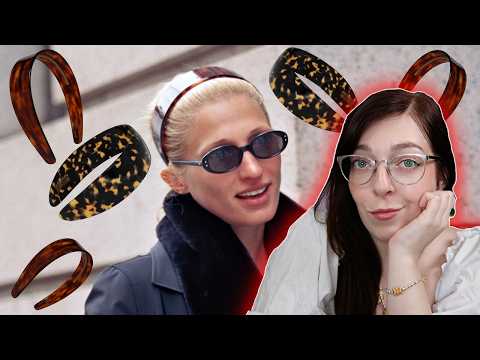
- •Drawing on the viral TikTok obsession with Carolyn Bessette Kennedy's aesthetic and the mechanics of TikTok Shop, the channel pushes back hard on the idea that scrolling counts as cultural engagement.
- •The takeaway: real taste requires friction, real-world experience, and learning to want less.
How Social Media Algorithms Train You to Follow Trends Instead of Developing Taste
The core argument in Swell Entertainment's Tiktok is ruining your taste is that how algorithms affect personal taste isn't subtle — it's structural. Platforms like TikTok are built to surface what's already popular, which means your feed is essentially a mirror of consensus, not a tool for self-discovery.
The algorithm doesn't ask what you actually like. It asks what's performing well this week and serves you more of it. Over time, that shapes your preferences without you noticing.
The Role of Friction in Authentic Taste Formation
The video leans heavily on the idea of 'friction' — the discomfort, the misfits, the things you try and hate. That friction is, apparently, the whole point.
Knowing you dislike something is just as formative as knowing you love it. Scrolling past a thousand aesthetically pleasing images doesn't give you that. It gives you a vague sense of wanting things, which is a different problem entirely.
Why Real-World Experience Matters More Than Digital Inspiration Boards
Swell Entertainment references TikTok creator Tamson's argument that genuine taste-making demands tangible, real-world engagement — touching fabrics, visiting spaces, experiencing things in person rather than through a curated grid.
The counterargument — that this is elitist and most people don't have that kind of access — gets acknowledged but doesn't land as a full rebuttal. Passive digital consumption isn't a substitute for lived experience; it's just more convenient, and convenience isn't the same as depth.
Our Analysis: Swell gets the core right — algorithmic taste is just collective taste wearing your face. The 'friction' point is undersold though; most people won't voluntarily seek discomfort when a TikTok haul video is three taps away.
This connects to a broader content trend of retroactive justification — creators packaging basic offline advice as radical anti-digital manifestos, which is its own kind of algorithm-bait.
The real test comes as Gen Z's spending power grows. If 'intentional consumption' stays a vibe rather than a practice, this video ages into irony pretty fast.
What the video doesn't fully reckon with is the structural asymmetry at play. The platforms themselves have no incentive to foster independent taste — every moment you spend developing a genuine, friction-earned aesthetic preference is a moment you're not converting on TikTok Shop. The business model is literally engineered against the outcome the video is advocating for. That's not a design flaw; it's the design.
There's also something worth noting about who gets credit for the 'go touch grass' argument when it comes from a YouTube channel. The medium isn't neutral here. Swell Entertainment is still operating within the attention economy, still optimizing titles and thumbnails for algorithmic discovery, still benefiting from the same engagement loops the video critiques. That's not a disqualifier — but it's a tension the video gestures at without sitting with it long enough.
The Carolyn Bessette Kennedy angle is telling precisely because it illustrates how quickly a genuinely idiosyncratic aesthetic gets absorbed, flattened, and sold back as a mood board. The algorithm didn't kill her style so much as it industrialized the appreciation of it. That distinction matters if you're trying to understand what's actually being lost — it's not the reference points, it's the slowness that made them meaningful in the first place.
Ultimately, the video is most useful as a diagnostic rather than a prescription. It identifies the problem clearly. The fix — more friction, more embodied experience, wanting less — is real advice, but it's advice that requires conditions most people aren't in, which is exactly the elitism critique the video waves away a little too quickly.
Frequently Asked Questions
How do social media algorithms affect personal taste, and is the damage reversible?
Are TikTok algorithms actually influencing your sense of personal identity, or just your shopping habits?
Is the argument that real-world experience builds better taste actually elitist?
What practical steps can you take to develop authentic personal style without relying on TikTok or Pinterest?
Why do viral trends on TikTok seem to kill the aesthetic they're promoting?
Based on viewer questions and search trends. These answers reflect our editorial analysis. We may be wrong.
Source: Based on a video by Swell Entertainment — Watch original video
This article was created by NoTime2Watch's editorial team using AI-assisted research. All content includes substantial original analysis and is reviewed for accuracy before publication.