Hachette Pulls 'Shy Girl' Amid AI Controversy
Key Takeaways
- •Hachette has pulled Mia Ballard's debut novel Shy Girl from its U.S.
- •release and discontinued UK sales after allegations that the book was substantially generated by AI, making this reportedly the first time a major publisher has retracted a title specifically over AI concerns.
- •The book was originally self-published before Hachette's Orbit imprint acquired it for an April 2026 release, but an AI detection tool called Pengram flagged it as 78% AI-generated, and a viral video by Frankie Shelf detailed suspicious patterns in the prose.
The First Major Publisher AI Retraction
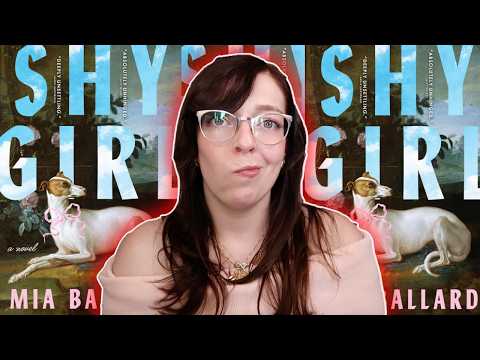
Hachette acquired Shy Girl through its Orbit imprint after the book built genuine traction as a self-published title. The novel follows a woman named Gia who becomes a devoted pet for a wealthy man, marketed around themes of bodily autonomy and feminine rage. An April 2026 traditional release was planned. That release is now dead. Hachette has withdrawn the book from the U.S. market entirely and moved to discontinue sales in the UK, in what Swell Entertainment identifies as a landmark moment: the first time a major publisher has pulled a book specifically because of suspected AI content, rather than a self-publisher quietly delisting their own work. The publishing industry just crossed a line it can't easily walk back across.
What Actually Set This Off
The controversy gained serious momentum after a lengthy video by a creator called Frankie Shelf broke down the writing in forensic detail. Reviewers, including at least one editor, flagged repetitive phrasing and a style that felt hollow in a particular way, what the video describes as pseudopoetic. A phrase like 'his amusement curled like smoke' got cited as the kind of line that sounds like writing without actually being it. On top of the prose concerns, Ballard's broader online presence was sparse and difficult to verify, and her original self-published edition was found to have used stolen artwork for its cover. The AI allegations did not emerge in a vacuum, they arrived alongside a pattern of other credibility problems, and that combination is what made the story stick.
Ballard's Defense and Why It Complicates Everything
Mia Ballard's position is that she did not personally use AI. Her account, which emerged after investigations by Hachette and the New York Times, is that an acquaintance she hired to edit the self-published manuscript incorporated AI-generated content into the book without her authorization. She has said her mental health is suffering, her name is damaged over something she did not personally do, and she intends to take legal action against this editor. According to Swell Entertainment, this defense likely sealed the publisher's decision rather than saving it. The moment Ballard acknowledged that AI was present in the manuscript, even through a third party, the book violated standard publishing contracts requiring original human authorship. Whether she knew or not almost becomes legally secondary once she confirmed the content existed.
Pengram Can Flag Frankenstein as AI
Pengram, the AI detection software at the center of this, reportedly analyzed Shy Girl and returned a finding of 78% AI-generated content. That sounds damning. It is also worth understanding what these tools actually do. Swell Entertainment tested Pengram directly and found it flagged classic human-written texts as AI-generated, including Frankenstein. The reason is structural: AI models are trained on enormous datasets that include canonical literature, so the model's output can pattern-match to those texts, and detection tools can misread the resemblance as evidence of generation. That does not mean Shy Girl is clean. It means a single percentage score from a detection tool is not evidence on its own, and building a publishing industry enforcement regime on top of software that cannot reliably distinguish Mary Shelley from a chatbot is a disaster waiting to happen. For the full breakdown of how this story unfolded, Swell Entertainment's video they think this book was written with AI is essential viewing — it covers the timeline, tests the detection tools, and asks the questions the publishing press largely hasn't.
Our Analysis: Swell Entertainment gets the double standard right. A white male author admits to AI use and the publishing world shrugs. Mia Ballard denies it and loses her book deal. That asymmetry deserves more anger than the video actually gives it.
Where the video pulls punches is on Hachette. They acquired a self-published book without apparently vetting it, then dropped it the moment it became a liability. That is not ethics. That is reputation management dressed up as principles.
The harassment angle is real, but leaning on it too hard lets everyone off the hook, including the author.
Frequently Asked Questions
Why did Hachette pull Shy Girl — and is this really the first time a major publisher has done this over AI?
How reliable are AI detection tools like Pengram for catching AI-generated books?
What is the Shy Girl book AI controversy actually about — is Mia Ballard guilty?
Can a book be pulled from publication if an editor — not the author — used AI without permission?
Is there a racial double standard in how the publishing industry handles AI and fraud allegations?
Based on viewer questions and search trends. These answers reflect our editorial analysis. We may be wrong.
Source: Based on a video by Swell Entertainment — Watch original video
This article was created by NoTime2Watch's editorial team using AI-assisted research. All content includes substantial original analysis and is reviewed for accuracy before publication.