Coffeezilla Exposes Forex Trading Scams Unregulated Brokers
Key Takeaways
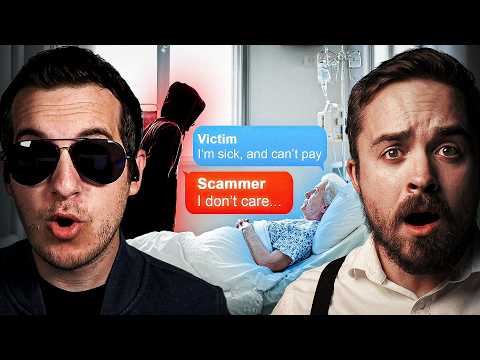
- •Coffeezilla's latest video tears apart a collaboration between YouTuber Whistling Diesel and Forex guru Alex, exposing how forex trading scams, unregulated brokers, and prop firms are systematically designed to profit from traders losing — not winning.
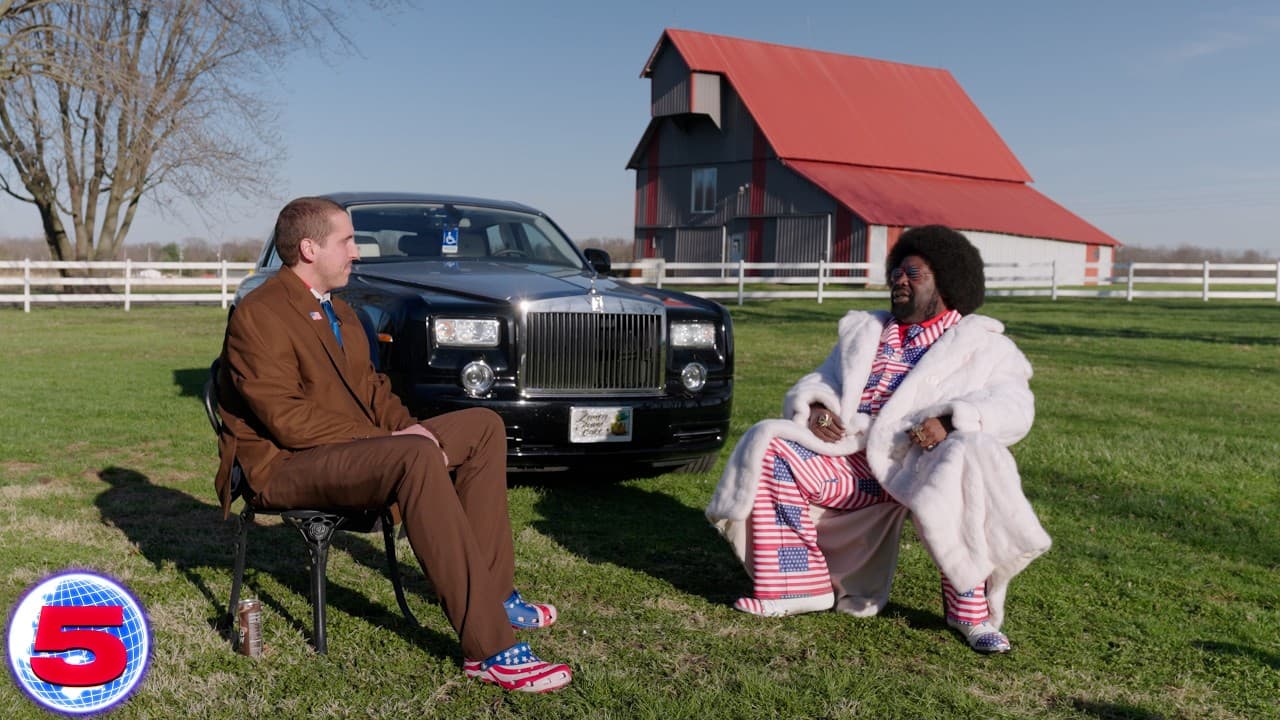
- •Alex sells a $1,500 trading course, previously co-owned a prop firm called Rocket 21 that users reported never paid out, and actively points followers toward LQH Markets, an offshore broker registered in the Comoros with no public ownership information.
- •The investigation is a case study in how the Forex education industry works: sell the dream, keep the fees.
How Forex Gurus Exploit Traders Through Conflicting Business Models
The core problem Coffeezilla identifies isn't that Alex is a bad trader. It's that his income doesn't depend on being a good one.
When your primary revenue stream is selling courses to aspiring traders, you need a steady supply of aspiring traders — not a graduating class of profitable ones. The incentive to actually make your students successful is structurally weaker than the incentive to keep selling them the next level of education.
The $1,500 Course Revenue vs. Actual Trading Profits
Alex charges $1,500 for his trading course, and according to Coffeezilla's breakdown in Youtuber "Proves" People are Lazy with DayTrading, that's where the real money is. Consistent trading profits are hard. Selling PDFs and video modules to people who believe trading is easy is considerably less hard.
This is the conflict of interest that sits at the center of the entire Forex guru ecosystem — as Coffeezilla frames it, the business model only works if people keep believing the pitch, not if they stop needing it.
Unregulated Offshore Brokers: The Hidden Risk in Forex Trading Scams and Unregulated Brokers
Forex trading scams and unregulated brokers go hand in hand for one simple reason: without regulatory oversight, there's no authority to complain to when your money disappears.
Coffeezilla flags this as one of the more dangerous elements of Alex's operation — recommending platforms that exist specifically outside the reach of US financial regulators, while coaching users on how to access them anyway.
LQH Markets and the Comoros Loophole
LQH Markets is registered in the Comoros, a small island nation off the coast of East Africa that has become a popular jurisdiction for offshore brokers because its regulatory requirements are, generously speaking, minimal. No public ownership information is available for the firm.
More alarming, according to Coffeezilla: Alex has advised users who are banned from participating in US markets to use VPNs to access LQH Markets anyway. That's not a workaround — that's explicitly circumventing a legal prohibition.
Proprietary Trading Firms and Simulated Accounts: Where Traders Lose
Prop firms have a neat business model: charge traders a fee to prove themselves, collect those fees from the many who fail, and pay out the rare few who succeed — sometimes. The challenge-based structure means the firm profits most when traders don't make it through.
Coffeezilla points out that many of these firms operate on simulated accounts, meaning traders are never touching real capital. When they eventually try to withdraw real winnings, the problems start — Our Analysis: Coffeezilla nails the mechanics of the scam — the offshore broker, the fake prop firm, the course-selling-disguised-as-trading — but undersells how much Whistling Diesel's cluelessness was the actual product. Cody not knowing what a broker is wasn't a bug; it was the pitch. "Even this guy can do it." This fits a broader pattern of creators laundering financial scams through entertainment credibility — the audience trusts the host, not the guru, which gives sketchy operators a clean entry point. Expect regulators to eventually come for the VPN-to-offshore-broker workaround specifically. That's the thread most likely to unravel this whole ecosystem. What the video doesn't fully explore is how durable this model is even after exposure. Forex guru accounts get flagged, brokers get named, and the operations simply rebrand — new course, new broker, same pitch. The Comoros registration isn't a one-off quirk; it's infrastructure. There's an entire layer of the financial internet built to absorb exactly this kind of scrutiny and keep running. Coffeezilla's investigations are valuable precisely because they force that infrastructure into the open, but the structural incentives don't change until the audience does. And audiences have short memories, especially when the dream being sold — financial freedom, beating the market, escaping the 9-to-5 — is genuinely appealing. The scam works because the desire it exploits is real. Based on viewer questions and search trends. These answers reflect our editorial analysis. We may be wrong. Source: Based on a video by Coffeezilla — Watch original video This article was created by NoTime2Watch's editorial team using AI-assisted research. All content includes substantial original analysis and is reviewed for accuracy before publication.Frequently Asked Questions
Is it illegal to use an unregulated broker like LQH Markets?
How do forex gurus actually make money if their trading strategies work so well?
How do prop firms like Rocket 21 make money even when traders succeed?
What are the red flags that a forex broker or trading course is a scam?
Why do so many forex trading scams target people through YouTube collaborations?
Related Articles