Ibogaine Treatment Opioid Addiction: Texas Secures Funding
Key Takeaways
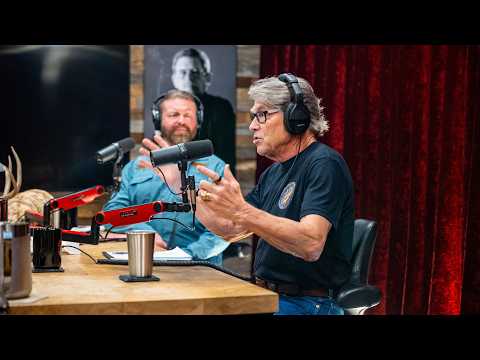
- •On the Joe Rogan Experience, former Texas Governor Rick Perry and W.
- •Bryan Hubbard detail how Texas secured $100 million in funding to fast-track ibogaine through FDA approval as a treatment for opioid addiction.
- •Ibogaine, a plant-derived compound, reportedly eliminates opioid dependency in 48 to 72 hours — compared to 18 months for traditional abstinence programs — with Stanford research showing it can normalize an addicted brain's function within that window.
What Is Ibogaine and How Does It Treat Opioid Addiction?
Ibogaine comes from the iboga shrub, a plant with roots in Gabon where it's been used in spiritual ceremonies for centuries. Its intersection with modern addiction medicine was largely accidental — researchers noticed it interrupted opioid dependency without triggering withdrawal, and that observation has now accumulated roughly 60 years of open-label field data. The mechanism isn't fully understood yet, but the emerging picture from recent research points to something genuinely unusual: neuro-regenerative effects that appear to physically reset addiction pathways in the brain. It's also being studied for traumatic brain injury, CTE symptoms in former NFL players, early-onset Parkinson's, and PTSD — which tells you this isn't just a niche opioid antidote. It may be doing something much more fundamental to brain repair. Whether that breadth of application is a sign of real therapeutic power or a red flag for overclaiming is exactly the kind of question the current research needs to answer.
The $100 Million Bet Texas Just Made
Getting to $100 million wasn't a straight line. In Joe Rogan Experience #2477 - Rick Perry & W. Bryan Hubbard, Bryan Hubbard describes a hard-fought legislative campaign that eventually won over 181 out of 188 Texas lawmakers — an unusual level of consensus for anything, let alone a psychedelic compound. The initiative still faced a funding gap after initial passage, and it was Lieutenant Governor Dan Patrick who closed it, reportedly moved by direct personal testimonials from veterans and patients. Texas is now independently financing ibogaine's path through the full FDA approval process, which is the expensive, slow, rigorously documented route that most plant medicine advocates have historically avoided or been unable to fund. That's what makes this different. This isn't a decriminalization vote or a research exemption — it's a state government writing a nine-figure check to industrialize a psychedelic drug into a regulated medicine.
How Ibogaine Normalizes Brain Function in 72 Hours
Stanford researchers used functional MRI to scan the brains of opioid-addicted individuals before and after ibogaine treatment. According to the discussion, the scans showed normalization of brain activity within 72 hours of treatment — a finding that, if it holds up under the scrutiny of the three-year longitudinal study now being launched, would be one of the more remarkable results in addiction neuroscience in decades. The new study, a partnership between the Center for Brain Health, Americans for Ibogaine, and Forward Intent, will track ibogaine's effects on cognition, sleep, addiction outcomes, and overall brain health. It's being described as the largest study on ibogaine's impact on veterans conducted to date. As we've seen with Our Analysis: What's striking about this conversation isn't just the science — it's the political optics. Rick Perry is not a figure historically associated with psychedelic drug reform. He's a three-term Texas governor, a former U.S. Energy Secretary, and a conservative stalwart who spent much of his career in a state where drug policy has been among the harshest in the country. When someone with that profile goes on the Joe Rogan Experience to publicly disclose a personal OxyContin dependency and advocate for a Schedule I psychedelic, it signals something has genuinely shifted in how Republican politicians are willing to talk about addiction and drug-based medicine. That shift matters because it changes the coalition. Ibogaine advocacy has historically lived on the fringes — loved by harm reduction communities, studied by independent researchers, and largely ignored by mainstream political institutions. Texas's $100 million commitment doesn't just fund research; it reframes the conversation. This is no longer a countercultural push. It's a state government making a calculated, bipartisan bet that the current opioid treatment infrastructure is failing — and that a psychedelic compound might outperform it at scale. The 48-to-72-hour reset claim is the number that deserves the most scrutiny. If ibogaine genuinely normalizes addicted brain function within three days where conventional abstinence programs take 18 months, the implications for healthcare costs, incarceration rates, and human suffering are almost too large to frame. That's also precisely why the claim needs the kind of rigorous longitudinal data the new Stanford-affiliated study is designed to produce. Field reports and open-label data are compelling, but they're not the same as a controlled, peer-reviewed trial. The optimism here is warranted; the caution is equally warranted. One thing the conversation doesn't fully address is the safety profile. Ibogaine carries real cardiac risks — it's not a compound you can administer outside a clinical setting without serious protocols in place. Any path to broad accessibility has to reckon with that, and the FDA process Texas is funding will force exactly that reckoning. That's arguably the strongest argument for going through the full regulatory process rather than around it: the approval pathway isn't just about legitimacy, it's about building the safety infrastructure that makes mass administration survivable. The $100 million may end up being as much about establishing clinical guardrails as it is about proving efficacy. Based on viewer questions and search trends. These answers reflect our editorial analysis. We may be wrong. Source: Based on a video by Joe Rogan Experience — Watch original video This article was created by NoTime2Watch's editorial team using AI-assisted research. All content includes substantial original analysis and is reviewed for accuracy before publication.Frequently Asked Questions
Can ibogaine treatment actually cure opioid addiction?
Does ibogaine get rid of opioid withdrawal symptoms?
Why is Texas spending $100 million on ibogaine instead of existing addiction treatments?
What makes ibogaine different from methadone or other opioid addiction treatments?
Is ibogaine legal in the United States?