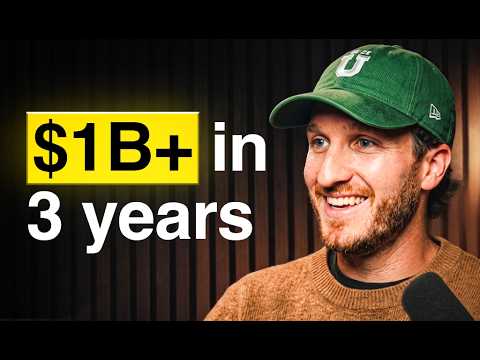
Caleb Hammer Predatory Sales Tactics Courses Exposed

Key Takeaways
- •Caleb Hammer, a finance influencer known for his 'Financial Audit' YouTube show, uses high-pressure sales tactics including countdown timers, guilt-based messaging, and shaming language to sell courses priced at $17 and $97 to audiences already struggling with debt.
- •Cruel World Happy Mind's video 'Caleb Hammer: YouTube's CREEPIEST Finance Influencer' breaks down how Hammer's sales pages tell visitors that declining to buy means they prefer to 'be broke,' then follows up refusals with upsell offers.
- •Most critically, Hammer promotes Chime, a credit-based payment system, as a way to purchase his debt-elimination courses, meaning people in financial distress may be going further into debt to buy a product marketed as getting them out of it.
The Timer Is Not There to Help You
Caleb Hammer's course sales pages run a countdown clock. Not because the offer actually expires, but because urgency is a sales tool, and a ticking number in the corner of your screen is designed to short-circuit rational thinking. In a recent video, Cruel World Happy Mind explains that the page also tells visitors that choosing not to buy is the same as choosing to stay broke — and that declining the offer doesn't end the pitch, it just triggers an upsell. That is not financial education. That is a guilt lever, and it is being pulled on people who came to the page because they are already scared about money. If you want to understand how debt-relief marketing can cross into predatory territory, Caleb Hammer: YouTube's CREEPIEST Finance Influencer is a thorough and uncomfortable place to start.
Our Analysis: Cruel World Happy Mind nails the core grift but undersells it. Hammer isn't just a shame merchant, he's a debt-to-course pipeline. The Chime promotion alone should disqualify him from any serious financial conversation. You don't put someone drowning in credit card debt on a credit line to buy your course. That's not a contradiction, that's the business model.
The dating app section feels tacked on, and it is. Uncomfortable, credible, but editorially it muddies the financial critique at exactly the wrong moment. The video had him cornered on the money stuff. It didn't need the detour.
What's worth sitting with, though, is how ordinary this playbook is. Hammer didn't invent countdown timers or shame-based copy. Those are standard tools in the info-product industry, borrowed from e-commerce and applied to an audience that is uniquely vulnerable to them. The people watching a financial audit show are not casual browsers. They are people in genuine distress, which means the emotional manipulation lands harder and the cost of a bad purchase decision is higher. A $97 course is not a lot of money until it is, and for the demographic Hammer is targeting, it may represent a week of groceries or a credit card payment that doesn't get made.
There is also a credentialing problem that the video touches on but that deserves more weight. Hammer is not a licensed financial advisor. That matters because the advice-entertainment hybrid he is selling occupies a regulatory grey zone where the content looks like guidance but carries none of the legal accountability that actual financial advice requires. When a licensed planner steers a client wrong, there are mechanisms for recourse. When a YouTube personality does it, the worst case is a bad review and a comment section argument.
The broader implication is structural. As long as debt anxiety is abundant and financial literacy is scarce, there will be a market for products that promise shortcuts out of both. The tragedy is not that Hammer found that market. It's that the people most desperate for real help are the ones most likely to pay for the performance of it instead.
Frequently Asked Questions
What is Caleb Hammer's advice actually based on?
Does Caleb Hammer offer personal coaching or courses?
What are Caleb Hammer's predatory sales tactics in his courses, and why do they matter?
How do financial influencers use guilt and urgency to sell courses?
Is it a red flag if a finance course lets you pay with credit?
Based on viewer questions and search trends. These answers reflect our editorial analysis. We may be wrong.
Source: Based on a video by Cruel World Happy Mind — Watch original video
This article was created by NoTime2Watch's editorial team using AI-assisted research. All content includes substantial original analysis and is reviewed for accuracy before publication.