Surah Maryam Christian Reaction Comparison: Twelve Non-Muslims React
Key Takeaways
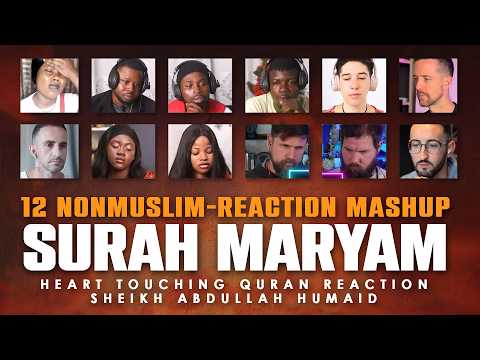
- •Bayt of Us Global's 'Heart Touching Quran Recitation - Surah Maryam by Sheikh Abdallah Humeid | Reaction Mashup' compiles twelve non-Muslim viewers, most from Christian backgrounds, as they respond to a recitation of Surah Maryam and process what it says about Mary, Jesus, Zachariah, Abraham, and Moses.
- •The reactions range from genuine surprise at the theological common ground to pointed reflection on where Islam and Christianity part ways, particularly on the nature of Jesus.
- •What emerges is less a debate and more an unscripted moment of people encountering a sacred text they thought they already understood.
The Recitation That Started the Whole Conversation
Sheikh Abdallah Humeid's recitation of Surah Maryam is the spine of this video. Everything else grows out of it. In Heart Touching Quran Recitation - Surah Maryam by Sheikh Abdallah Humeid | Reaction Mashup, Bayt of Us Global brings together twelve non-Muslim viewers, the majority coming from Christian traditions, who sat with that recitation and reacted in real time to a chapter of the Quran named after a woman both Islam and Christianity consider extraordinary. The recitation itself was described repeatedly as beautiful, powerful, and emotionally arresting, which matters because it means these viewers weren't just processing theology in the abstract. They were processing it while feeling something. That combination tends to produce more honest responses than a theology lecture ever could.
More Familiar Than Expected
One of the first things that landed for multiple reactors was how much of Surah Maryam felt like territory they had already walked. The account of Zachariah praying for a child in old age, the story of Mary's miraculous conception, the presence of Abraham and Moses as major prophetic figures, all of it mapped onto narratives they knew from their own scripture. Several viewers described the experience as feeling "close to reading the Bible," which is not a small thing to say. The Quran and the Bible are not the same text, but Surah Maryam draws from a shared Abrahamic well, and these reactors felt that pull immediately. As we explored in
Our Analysis: The emotional weight of this recitation does the heavy lifting that no reactor commentary really needs to add. Sheikh Humeid's voice lands before anyone can intellectualize it, and that's the point.
What the video captures well is the honest confusion from Christian reactors about Jesus as infant-prophet. That friction is real and worth sitting with, not resolving too quickly with feel-good interfaith language.
Where it falls short is accountability. Twelve reactors nodding along risks becoming an applause loop. The harder conversation, where genuine theological disagreement gets named directly, gets quietly sidestepped every time.
There's a broader pattern worth naming here. Reaction mashup videos about sacred texts are having a cultural moment, and that format carries a specific set of risks that this video doesn't fully escape. When you cut between twelve different people, you can construct a consensus that doesn't quite exist. A moment of hesitation, a furrowed brow, a half-formed objection — these get trimmed in favor of emotional peaks. The result is a highlight reel of openness rather than a genuine record of encounter. That's not dishonest exactly, but it is selective in ways that matter when the subject is theology.
What would push a video like this further is exactly what it avoids: letting a reactor sit in genuine disagreement without cutting away. The doctrinal gap between Islam and Christianity on Jesus is not a footnote. It is the fault line. Surah Maryam is striking to Christian viewers partly because it honors Jesus and Mary so explicitly, but that honor comes packaged with a firm rejection of divinity and the Trinity. The reactors who felt that tension most acutely were the most interesting to watch, and the video would have been stronger if it had stayed with them longer rather than pivoting to the next moment of shared feeling.
That said, what Bayt of Us Global does well is lower the temperature on a subject that usually generates heat. Letting people react to a recitation rather than a argument is a genuinely useful format. It shifts the encounter from debate to witness, and that shift alone opens space that a panel discussion would close immediately. The question is whether that space is being used to sit with real complexity or just to feel good about common ground. Here, it's more of the latter — but the former is visible in the edges, and that's reason enough to pay attention to where this format goes next.
Frequently Asked Questions
What is special about Surah Maryam?
Who is Maryam to Jesus in the Quran?
What are the biggest similarities and differences in the Surah Maryam Christian reaction comparison?
Does the Quran say Jesus spoke as a baby?
Is Jesus considered a prophet in Islam, and how do Christians typically react to that?
Based on viewer questions and search trends. These answers reflect our editorial analysis. We may be wrong.
Source: Based on a video by Bayt of Us Global — Watch original video
This article was created by NoTime2Watch's editorial team using AI-assisted research. All content includes substantial original analysis and is reviewed for accuracy before publication.