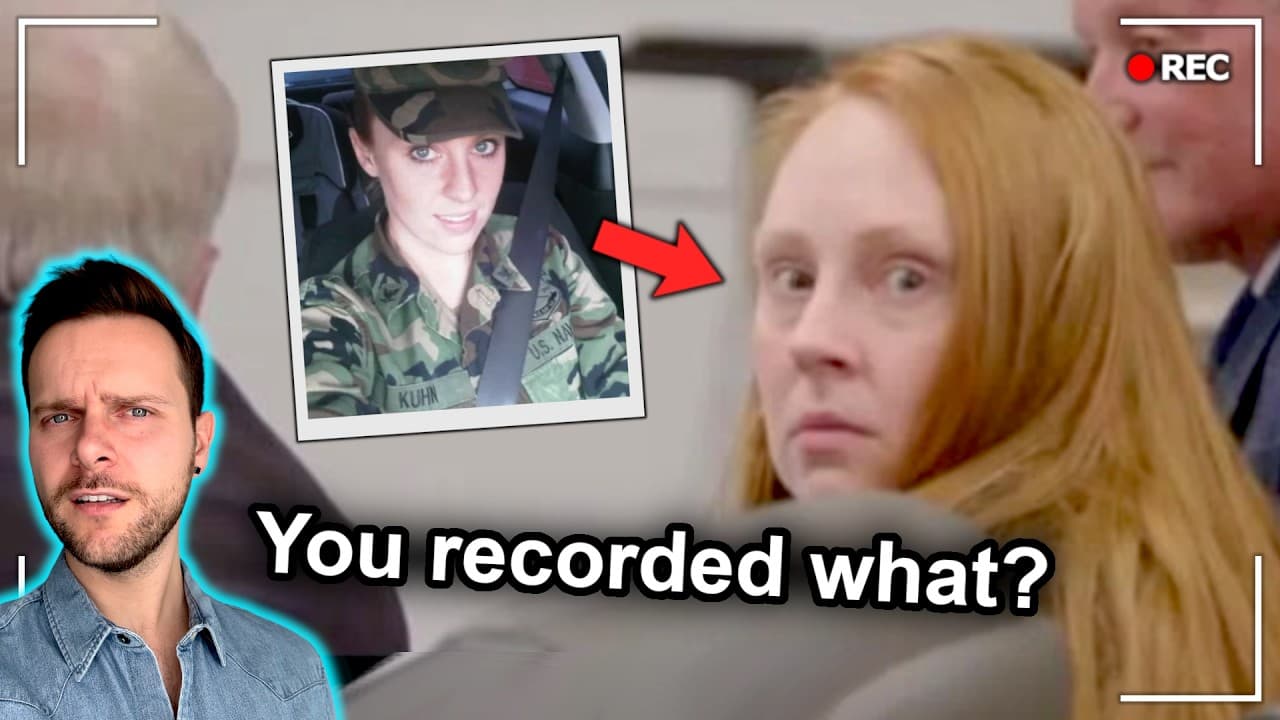
Sarah Underground Bunker Abduction Case: 2 Years Held Captive
Key Takeaways
- •In 2004, an eight-year-old girl named Sarah was abducted from her California home and held captive for two years in a soundproofed underground bunker hidden beneath a storage shed.
- •Her abductor, Robert Peterson, a neighbor with no serious prior record, built the concealed prison to carry out years of abuse before Sarah escaped during a moment of opportunity and ran barefoot to a gas station for help.
- •Explore With Us (EWU) covers the full case in their video '6-Year-Old Leads Cops to Her Secret Prison,' tracing the investigation from a cryptic note found in Sarah's bedroom all the way to Peterson's conviction on multiple felony charges including kidnapping and sexual assault.
A Bedroom, a Note, and a Investigation That Almost Went the Wrong Way
Sarah vanished from her California home in 2004. Her mother found her bedroom empty, no signs of a struggle, no broken window, nothing that immediately said someone took her. What investigators did find was a note. It contained a rough hand-drawn map and a specific drawing that suggested familiarity — not the chaos of a random abduction. The note pointed toward someone Sarah had at least encountered before, which shifted the early investigation toward a more localized search rather than an immediate amber alert-style manhunt. That redirect cost time. A cryptic note that looks like a clue can just as easily become a detour when no one yet knows what they're actually looking for.
What Peterson Built Under That Shed
The bunker wasn't improvised. Robert Peterson constructed a hidden underground chamber beneath a storage shed on his property, and he did it with enough deliberateness to include soundproofing and camouflage designed to survive a casual inspection of the grounds. Sarah lived inside it for two years. Two years without natural light, without freedom of movement, without anyone on the outside knowing exactly where she was. The planning required to build something like that, before any abduction even took place, tells you everything about the premeditation involved. This wasn't a crime of impulse. Someone thought about this for a long time before they acted on it, and that detail is impossible to sit with comfortably. In their video 6-Year-Old Leads Cops to Her Secret Prison, Explore With Us (EWU) walks through the full arc of this case — from the note in Sarah's bedroom to Peterson's conviction on kidnapping and sexual assault charges — and the construction of that bunker sits at the center of everything they cover.
Our Analysis: EWU handles the material with more restraint than most channels would, and it shows. The bunker detail alone could easily become exploitation bait. They don't let it.
What the video underserves is the note. A child leaving a crude map before her own abduction points to grooming so calculated it reframes the entire case, and that thread gets dropped too quickly.
Peterson's proximity to the family is treated as shock value when it's actually the most instructive part. Strangers don't build underground bunkers. The community's disbelief is the story, not the footnote.
There's also something worth sitting with about how long cases like this one go undetected — not because investigators fail, but because the architecture of this kind of predation is specifically designed to exploit the gaps between what neighbors notice and what they report. Peterson didn't hide Sarah in some remote wilderness. He hid her next door. The bunker was an engineering solution to a social problem: how do you keep a child captive when people who know you are walking past your property? The answer, apparently, is that you build deep enough and quiet enough that the ordinary rhythms of suburban life do the concealment work for you.
That's the detail true crime coverage tends to skip over in favor of the escape narrative, which is dramatic and redemptive and easier to end on. But the more instructive question isn't how Sarah got out. It's how two years passed without a single person connecting the right dots. What does that say about the assumptions communities make about the people they think they know? What does it say about which absences get taken seriously and which ones get explained away? EWU gestures at these questions but doesn't push hard enough into them. For a case that has this much to teach about the social conditions that enable long-term captivity, the video stops just short of where it could have gone.
Frequently Asked Questions
How did forensic evidence from the Sarah underground bunker abduction case help secure Robert Peterson's conviction?
Why did the note found in Sarah's bedroom slow down the investigation instead of helping it?
How did Sarah escape the underground bunker and what happened when she reached the gas station?
How did Robert Peterson avoid suspicion for two years despite living near his victim's family?
What charges was Robert Peterson convicted on for the California 2004 child abduction?
Based on viewer questions and search trends. These answers reflect our editorial analysis. We may be wrong.
Source: Based on a video by Explore With Us (EWU) — Watch original video
This article was created by NoTime2Watch's editorial team using AI-assisted research. All content includes substantial original analysis and is reviewed for accuracy before publication.