Collin Turner Shooting Domestic Violence Case: Gulf Breeze
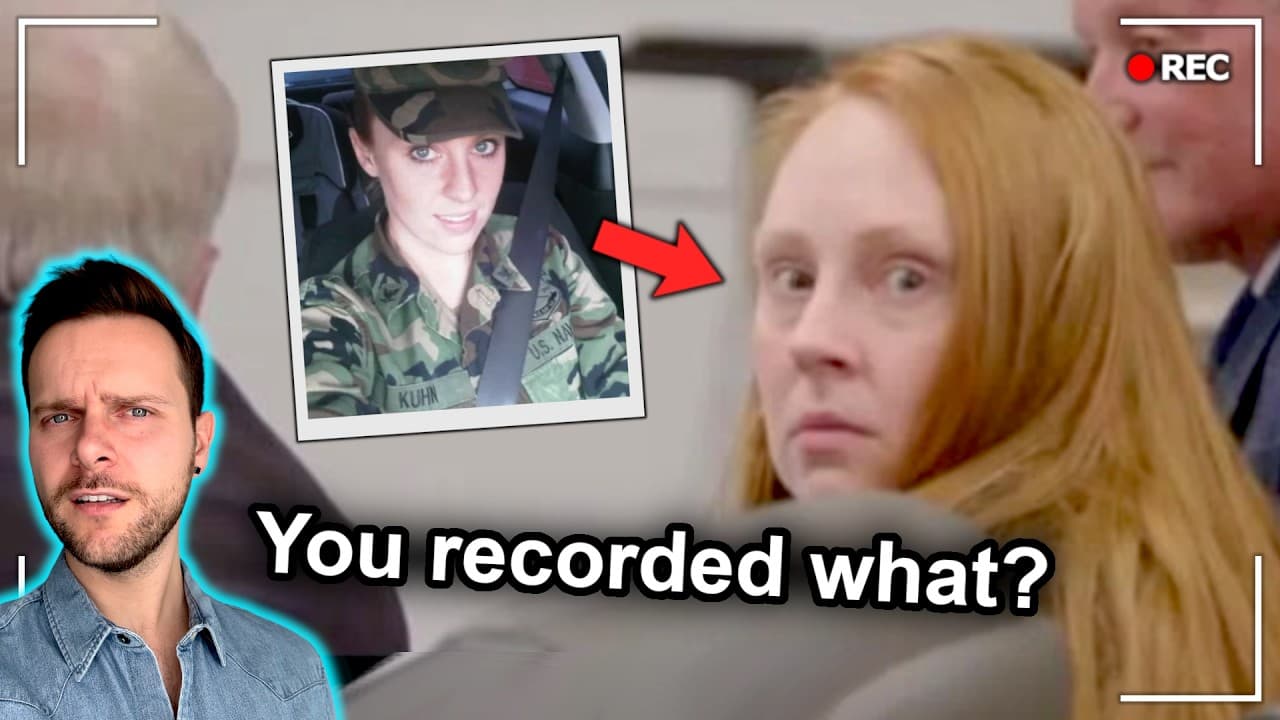
Key Takeaways
- •Colin Turner was shot four times — including in the back — while on a 911 call, with the operator listening as it happened.
- •Bri Turner offered three conflicting accounts to police within minutes of their arrival, then confessed during interrogation.
- •The jury rejected her self-defense and battered spouse syndrome claims, convicting her of first-degree premeditated murder.
A Domestic Violence Tragedy in Gulf Breeze
September 8, 2021 started as a bad day and ended as a fatal one. By 6:22 p.m., Colin Turner was locked in his garage in Gulf Breeze, Florida, on the phone with a 911 operator, reporting that his wife had locked him out and that he'd injured his arm. That call never ended the way it should have. He was shot once, then three more times, and the operator heard all of it.
Bri Turner called 911 herself shortly after — not to report an emergency, but to confess. When officers arrived, she was at the front door, composed, and already cycling through explanations. She described it as a fight. She claimed self-defense. She said she found him already dead and hoped he was okay. Three different stories, offered almost simultaneously, to officers who were still processing the scene. That kind of composure, in that kind of moment, tends to read less like shock and more like preparation. Related: Ezekiel Zayas Phrogging Hawaii Family: True Crime Story
The Man Who Got Shot
Colin Turner spent 14 years in the Marine Corps and left as a gunnery sergeant — not a rank you reach by being unreliable. After a medical discharge, he was pursuing an electrical engineering degree and had plans to attend Johns Hopkins for a master's. Friends and family described him as easygoing and dependable. No history of violence. No record. Just a man trying to build something after the military, who happened to be married to someone whose behavior had been escalating for years.
It's the kind of background that makes the ending feel even more absurd — a man with that much structure and discipline, undone in a garage. Related: Waukesha Christmas Parade attack Darrell Brooks: True Crime
Bri's Mental Health and What Colin Knew
Bri also served — in the U.S. Navy — but was on limited duty due to mental health struggles. Colin had spoken openly with friends and family about her suspected borderline personality disorder for some time. The behavior patterns he described were consistent: intense emotional reactions, unpredictable outbursts, disproportionate responses to perceived slights. Bri had destroyed his laptop at some point. Arguments escalated fast and often. Related: Penguinz0 Exposes Lenient Sentencing Child Sexual Abuse
Colin knew what he was dealing with. He talked about it. He stayed anyway — which, depending on how you look at it, says something about his loyalty, his hope, or the complexity of leaving a marriage when children are involved. In Ex-Military Wife Realizes They Heard it ALL on 911 Call, Coffeehouse Crime walks through how her contradictory statements and the forensic record ultimately dismantled whatever defense she tried to construct.
Our Analysis: The detail that keeps pulling focus is the sequence of the shots. One shot, then three more. That gap — however brief — is what the prosecution almost certainly used to argue deliberation. A single shot fired in panic looks different from four shots fired in succession, one of them in the back. Bri's legal team needed the jury to see a woman in crisis. The shooting pattern described a woman who didn't stop.
The mental health defense was always going to be a hard sell given the 911 recording. You can argue impaired judgment. You cannot easily argue impaired judgment when the operator heard the whole thing and the gun ended up behind a toaster. Hiding a weapon is a post-incident decision, not a symptom. The jury apparently agreed.
What this case also illustrates, and what tends to get underexamined in true crime coverage, is how the victim's military background cut both ways in the court of public perception. On one hand, Colin's service record humanized him and gave the story a particular emotional weight. On the other hand, it may have made it easier for a defense narrative to take hold early — the idea that a former Marine couldn't possibly be a victim of domestic abuse, that the dynamic must have been more complicated, that surely he could have left. That assumption is exactly the kind of bias that allows abuse against men to go unreported and, in some cases, unrecognized until it's too late. Colin had spoken to people about what was happening. He was believed by his friends, apparently, but the structures around him didn't intervene in time.
There's also something worth sitting with in the composure Bri displayed when officers arrived. The instinct in cases like this is to read calm as guilt, and in this instance the jury seemed to. But the more durable takeaway is how thoroughly the 911 recording eliminated any ambiguity. The operator didn't just hear a gunshot — they heard a sequence. That audio record is the reason the competing explanations Bri offered collapsed so quickly. Without it, this might have been a much harder case to prosecute. It's a reminder that the evidence that convicts people is often the evidence that was never intended to exist.
Frequently Asked Questions
What evidence contradicted Bri Turner's self-defense claim in the Collin Turner shooting domestic violence case?
How did the 911 call recording prove premeditation in the Collin Turner Gulf Breeze shooting?
Why was Bri Turner's battered spouse syndrome defense rejected by the jury?
What was Bri Turner's sentence for the murder of Collin Turner?
Did Collin Turner's military background play a role in how the case was framed?
Based on viewer questions and search trends. These answers reflect our editorial analysis. We may be wrong.
Source: Based on a video by Coffeehouse Crime — Watch original video
This article was created by NoTime2Watch's editorial team using AI-assisted research. All content includes substantial original analysis and is reviewed for accuracy before publication.