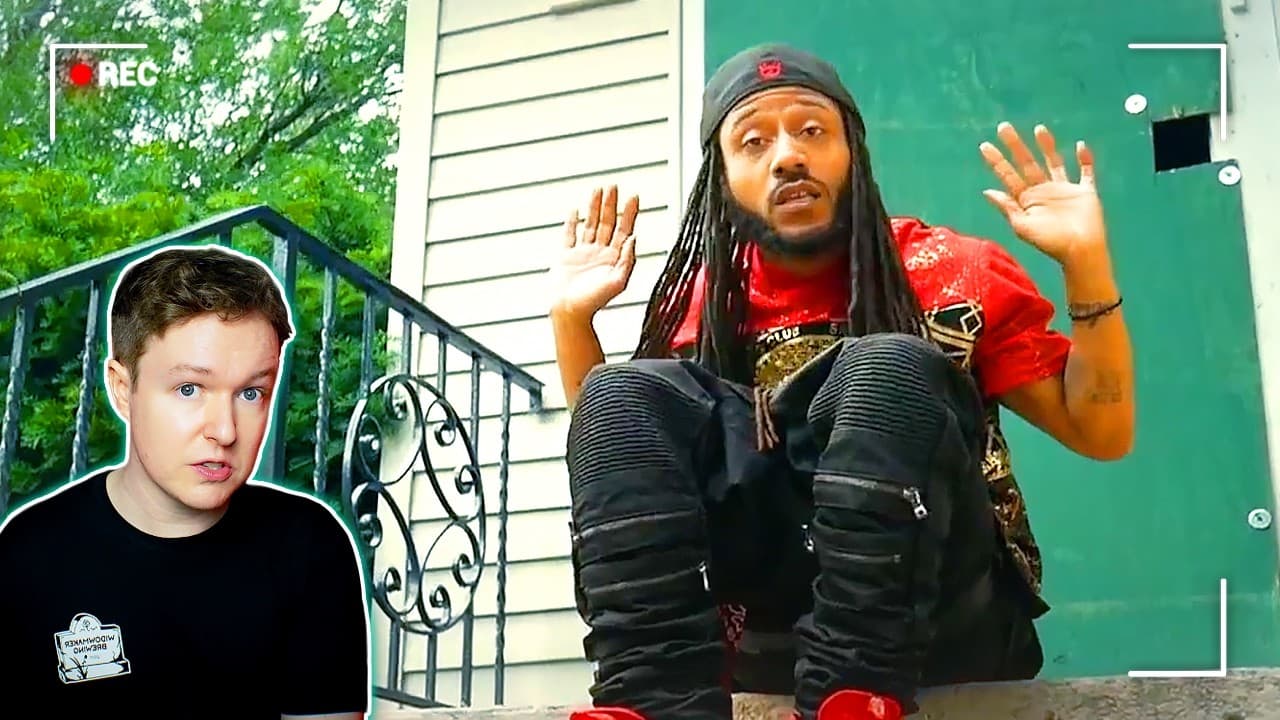
Nexpo: Why Low-Poly PS1 Horror Games Still Haunt Us
Key Takeaways
- •YouTube creator Nexpo breaks down five low-poly indie horror games that got under his skin — and explains why they work better than most AAA horror titles.
- •In his video 'The Horror Games that Haunt Me,' Nexpo analyzes how games like Babbdi, Descending, Tartarus Engine, The Children of Clay, and TOLT use PS1-era visuals and psychological storytelling to create dread that lingers long after you've closed the game.
- •The short version: bad graphics plus existential terror plus dead silence hits different than a photorealistic jump scare.
What Makes Low-Poly PS1 Horror Games So Effective
Nexpo's core argument is simple: low-poly PS1 horror games scare you because they don't show you everything. Your brain fills in the gaps, and your brain is not optimistic about what's in the dark.
The PS1 aesthetic — blocky geometry, muddy textures, character models that look like they were assembled by someone who had only heard humans described — creates a visual uncanniness that polished modern graphics can't replicate. It's not nostalgia. It's that the ambiguity leaves room for dread.
The Psychology of Visual Ambiguity in Retro Horror Aesthetics
Minimal detail forces the player to project meaning onto what they're seeing. A high-resolution monster is just a monster. A low-poly shape moving wrong in a dark corridor is whatever you're most afraid of.
Nexpo points to strategic silence as the other half of the equation. These games don't lean on jump scare stings. They let the quiet sit there until it becomes unbearable, which is a much harder trick to pull off — and a much harder thing to shake afterward.
Best Indie Horror Games Using Low-Fidelity Graphics
The five games Nexpo covers in The Horror Games that Haunt Me aren't household names, but they each do something specific and strange that bigger studios don't bother trying.
Tartarus Engine: Horror Through Simulated Realities
Tartarus Engine presents a device that compresses time inside a simulated reality — one real-world second can stretch into years of subjective experience for whoever's trapped inside it. The machine comes with presets. For victims.
Nexpo and his friends try to hack it for fun. They end up layered inside cascading simulations, where fractions of a second in the real world become centuries of torment. The horror here isn't a monster. It's a thought experiment about consciousness and technology that you cannot un-think.
The Children of Clay: Atmospheric Dread Through Archaeology
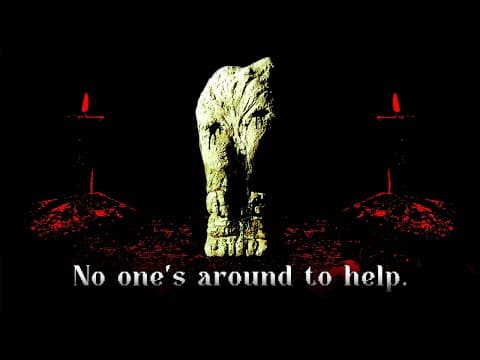
An archaeologist finds a clay statue tied to ancient Hungarian paganism. Cold iron is supposed to keep whatever's inside it contained. You can guess where this goes.
The statue starts bleeding black liquid. Research books fill in the mythology. Then the player removes the iron — and Mumush, a demonic entity, manifests the archaeologist's deepest personal fear: claustrophobia. The game traps you in a void built specifically for you, which is a more disturbing concept than most horror films manage in 90 minutes. The way real-world investigations can pivot on a single overlooked detail — much like Our Analysis: Nexpo nails the core argument — lo-fi aesthetics aren't a limitation, they're a weapon. The less your brain is given, the harder it works to fill the gaps, and that's where real dread lives. This connects to a broader true-crime pattern: the most disturbing cases aren't the gory ones, they're the ones where something feels almost normal. Babbdi's indifferent dystopia hits harder than any jump scare for the same reason. What's worth adding: the games Nexpo highlights expose a quiet crisis in mainstream horror design. AAA studios spend enormous budgets on photorealistic creature detail, motion capture, and cinematic sound design — and consistently produce horror that feels safer than a two-hour freeware game made by one person with a PS1 plugin. The reason is probably commercial. Legible, polished horror is easier to market, easier to screenshot, easier to review. Ambiguity doesn't demo well at trade shows. Low-poly indie horror sidesteps all of that by necessity, and the constraint turns out to be generative. When you can't render fear literally, you have to engineer the conditions for the player to generate it themselves. That's a fundamentally different creative problem — and these developers are solving it better than studios with a hundred times the resources. Expect this genre to keep pulling psychological horror toward philosophical horror — less monster, more mechanism. The scariest thing isn't what hunts you; it's the system that doesn't notice you. Based on viewer questions and search trends. These answers reflect our editorial analysis. We may be wrong. Source: Based on a video by Nexpo — Watch original video This article was created by NoTime2Watch's editorial team using AI-assisted research. All content includes substantial original analysis and is reviewed for accuracy before publication.Frequently Asked Questions
Why are PS1 horror games so scary compared to modern horror games?
What are the best low-poly PS1 horror games for psychological dread?
Is it true that indie horror games are scarier than AAA horror games?
What is Tartarus Engine and why is it considered disturbing?
Does the PS1 graphic style in indie horror games actually create fear, or is it just nostalgia?