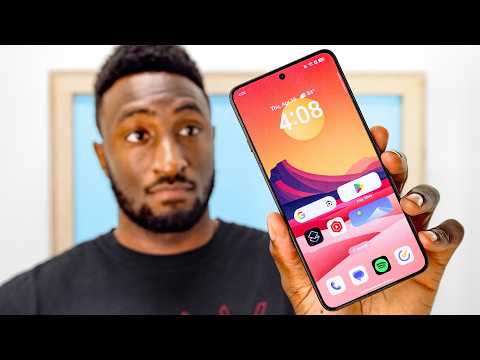
Nothing Phone 4A Pro Review: MKBHD's Take on Budget Phones
Key Takeaways
- •Marques Brownlee (MKBHD) reviewed the Nothing Phone 4A and 4A Pro in his video 'Nothing Phone 4A/Pro Review: I Have a Theory,' finding both phones to be genuinely compelling mid-range options at €349 and $499 respectively.
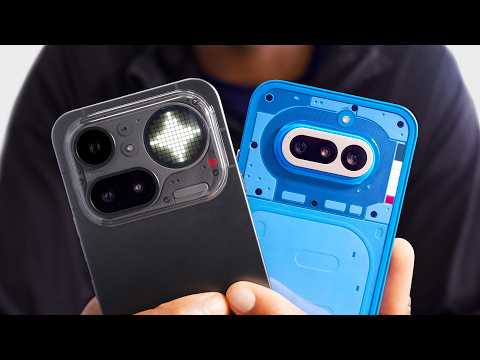
- •The 4A punches hard for its price with a sharp OLED display, large battery, and Nothing's signature aesthetic, while the Pro adds aluminum construction and a more advanced Glyph Matrix.
- •Neither phone is a camera powerhouse, and the Pro's headline spec upgrades like 144Hz and IP65 rarely translate into noticeable daily differences.
The Best-Looking Budget Phones Nobody Expected
The Nothing Phone 4A comes in at €349. The 4A Pro starts at $499 in the US. For those prices, Marques Brownlee (MKBHD) argues you're getting some of the best-looking phones Nothing has made, which is saying something given that their entire brand identity is built around phones that look different from everything else. Both run a Snapdragon 7-series chip, both carry triple cameras, and both pack a large battery underneath that signature transparent-backed design. The 4A uses a polycarbonate build to hit its price, while the Pro goes aluminum and unibody. First impressions matter in the mid-range market, and Nothing has clearly figured that out.
Nothing OS 4.1 Is Doing Real Work Here
Running on Android 16, Nothing OS 4.1 is one of the more interesting software stories in the mid-range space right now. In Nothing Phone 4A/Pro Review: I Have a Theory, MKBHD points out that the OS feels genuinely fluid, even on non-flagship silicon, partly because Nothing has also bumped storage speeds to keep things snappy. The home screen customization options have expanded, and there's a community-driven widget store called Playground where users can share and download custom widget designs. It's the kind of feature that sounds gimmicky until you actually use it and realize the default Android widget ecosystem is, frankly, a desert. Nothing OS isn't trying to out-AI the competition either, which, in a year when every phone maker is cramming machine learning into your photo gallery, feels almost refreshingly honest.
Our Analysis: Nothing is playing a smarter game than most people give them credit for. Skipping the flagship war entirely and owning the mid-range aesthetic space is a legitimate strategy, not a consolation prize.
The camera being average matters more than the review lets on. At this price, most buyers are coming from phones where the camera was their main upgrade motivation. If that's you, look elsewhere.
The real question is whether Nothing can hold this position once Samsung and Google decide the mid-range actually deserves their attention. Right now, the competition just isn't trying that hard.
There's also a longer-term brand question worth sitting with. Nothing has built something genuinely unusual: a company where the aesthetic is the product story, and where the software feels like it was designed by people who actually use phones. That's rarer than it sounds. But aesthetic loyalty is a fragile thing. The moment a competitor matches the look at a lower price — and someone eventually will — Nothing's moat gets a lot narrower. The Glyph system and Nothing OS are attempts to build stickiness beyond the design, and they're working so far, but neither is so deeply embedded in daily use that switching would feel painful. Nothing's window to convert design admirers into genuine platform loyalists is open right now. Whether they use it wisely will define what kind of company they are in three years.
For buyers sitting on the fence between the 4A and the Pro: the aluminum build and Glyph Matrix upgrade are real, but MKBHD's framing is correct that they won't change how the phone feels to use day-to-day. Unless you genuinely care about materials and the Pro's specific spec bumps, the 4A is the more honest recommendation at its price. The Pro makes more sense as a gift or for someone who wants to feel the premium without paying flagship prices — which is its own valid use case, even if it's not a specs argument.
Frequently Asked Questions
Is the Nothing Phone 4A Pro worth the extra money over the standard 4A?
How does the Nothing Phone 4A camera compare to the Pixel 8a or iPhone 16e?
What is Nothing OS 4.1 like compared to stock Android 16?
Why did Nothing skip a flagship phone this year?
Does the Nothing Phone 4A Pro's 144Hz display make a real difference?
Based on viewer questions and search trends. These answers reflect our editorial analysis. We may be wrong.
Source: Based on a video by Marques Brownlee (MKBHD) — Watch original video
This article was created by NoTime2Watch's editorial team using AI-assisted research. All content includes substantial original analysis and is reviewed for accuracy before publication.