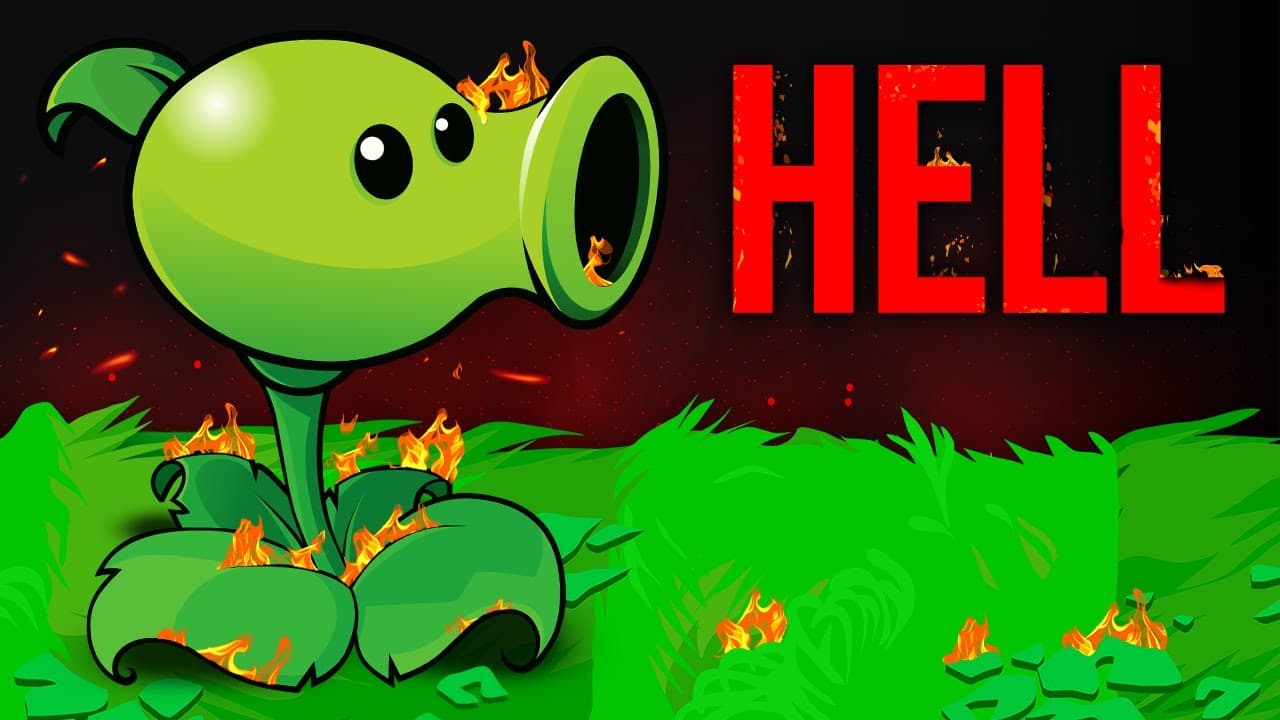
How microtransactions destroyed Plants vs Zombies
Key Takeaways
- •EA acquired PopCap Games for $650 million, and the monetization pressure that followed reportedly got original PvZ creator George Fan fired for opposing pay-to-win mechanics in PvZ2.
- •Plants vs. Zombies 2 made more money than the original despite widespread criticism — which is exactly why nothing changed.
- •Plants vs. Zombies 3 has been soft-launched multiple times and keeps receiving the same negative feedback, suggesting the people in charge either aren't listening or don't care.
What Made the Original Untouchable
Plants vs. Zombies launched as a tower defense game that didn't condescend to you. It had a clear price, a mountain of content, and gameplay that pulled you in without engineering dependency. It sold over 300,000 copies fast and spread across platforms without losing what made it good. There was no trick. You paid, you played, it was great. That kind of straightforward value proposition sounds obvious until you see what replaced it.
The $650 Million Turning Point
EA bought PopCap Games for $650 million, and if you know anything about EA's track record, you already know where this goes. The acquisition didn't kill the franchise overnight — that's not how it works. What it did was install a set of business priorities that would slowly override every design decision that didn't generate recurring revenue. The original game had made PopCap valuable. EA's job, as they saw it, was to make that value "repeatable at scale" — and the way they chose to do that was not by making better games.
Free to Play, Pay to Win
Plants vs. Zombies 2 arrived in 2013 with a free download and a monetization structure built into its bones. New plants cost real money. Level unlocks cost real money. The gap between a patient free player and a paying one was designed to be uncomfortable enough to push people toward their wallets. Reviewers noted you could technically play without spending — but the game was engineered to make that feel like a punishment. It worked financially. PvZ2 outpaced the original's lifetime revenue in a fraction of the time, which from EA's perspective meant the strategy was correct.
The Firing That Explained Everything
George Fan, the person who created Plants vs. Zombies, was reportedly terminated by EA and PopCap for opposing the pay-to-win direction being built into PvZ2. That one detail tells you more about the internal culture than any financial report could. When the person who built the thing that made you $650 million worth of goodwill gets pushed out for wanting to protect that goodwill, you've made a very clear statement about what you actually value. Fan leaving didn't just lose the franchise a designer — it lost it its conscience.
The Brief Moment Someone Got It Right
The Garden Warfare games were a genuine surprise. PopCap pivoted to third-person shooters using the PvZ cast, and the first two entries actually worked — critically and commercially. It proved the franchise had room to grow beyond tower defense if the execution was there. Then came Battle for Neighborville, which managed to combine bugs, poor design, and a monetization model that charged players for content after they'd already bought the full game. The brief period where someone seemed to understand the assignment ended quickly.
PvZ3 and the Art of Ignoring Feedback
Plants vs. Zombies 3 might be the most instructive disaster in the franchise. It has been soft-launched, criticized, pulled back, reworked, and re-released multiple times — and the feedback has been consistent every single time. Players hate the stripped-down gameplay loop, the intrusive unskippable ads, the forced mini-games, and the general sense that the game was designed around extracting attention and money rather than being fun. The 3D redesign and portrait orientation didn't help, but the core problem was simpler: it felt like a manipulative mobile product wearing a Plants vs. Zombies costume. Multiple rounds of negative beta feedback produced no meaningful change, which suggests the issues aren't oversights — they're features.
SunnyV2 breaks all of this down in How Micro-Transactions Destroyed Plants vs. Zombies, and it's worth watching for anyone who wants the full timeline of how this franchise came apart.
Our Analysis: The George Fan firing is the detail that SunnyV2's video lands hardest, and rightly so — but there's something the video doesn't fully press on. PvZ2 being financially successful despite the backlash didn't just validate EA's strategy internally. It removed any incentive to course-correct. When aggressive monetization generates more revenue than a beloved, fairly priced game ever did, the lesson a corporation learns isn't "players are angry." It's "player anger has no teeth." Every subsequent bad decision in this franchise flows directly from that conclusion being proven correct in 2013.
PvZ3's repeated soft-launch cycle is genuinely strange to watch from the outside. Most studios treat negative beta feedback as signal. EA and PopCap seem to be treating it as noise — or worse, as an acceptable cost of eventually forcing the product through to release. At some point the question stops being "why is PvZ3 bad" and becomes "who exactly is approving each re-launch."
There's a broader industry pattern worth naming here: the franchises most vulnerable to this kind of extraction are the ones with the most goodwill built in. A recognizable IP with an emotionally attached fanbase isn't just a brand asset — it's a buffer. It absorbs years of bad decisions before the audience fully walks away. Plants vs. Zombies had an enormous amount of that goodwill stored up, which is precisely why EA could keep making the same mistakes for over a decade without the franchise fully collapsing. The question now is whether anything is left to extract — and whether EA would recognize the answer even if someone told them.
Frequently Asked Questions
Does Plants vs. Zombies have microtransactions?
Why did the creator of Plants vs. Zombies get fired?
Did EA shut down Plants vs. Zombies?
How did microtransactions destroyed Plants vs. Zombies as a franchise, and was it avoidable?
Is PvZ Replanted using AI?
Based on viewer questions and search trends. These answers reflect our editorial analysis. We may be wrong.
Source: Based on a video by SunnyV2 — Watch original video
This article was created by NoTime2Watch's editorial team using AI-assisted research. All content includes substantial original analysis and is reviewed for accuracy before publication.