Best UFC Knockout Combinations for Video Games & Reality
Key Takeaways
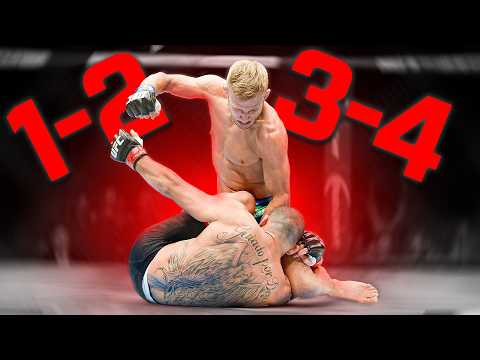
- •UFC released a highlight video titled 'UFC KNOCKOUTS That Should Be In A Video Game' showcasing some of the most technically precise and visually spectacular knockout combinations in the promotion's history.
- •The compilation features fighters like Conor McGregor, Israel Adesanya, Max Holloway, Donald Cerrone, Chuck Liddell, and Nate Marquardt, among others, breaking down what makes elite UFC striking so brutally effective.
- •From McGregor's angled uppercuts in his debut to Marquardt's perfectly timed flying knee against Wilson Gouveia, the video makes a case that the best UFC knockout combinations are less about raw power and more about timing, setup, and mechanical precision.
What Actually Makes a Knockout Combination Land
In UFC KNOCKOUTS That Should Be In A Video Game 🚨, UFC has a way of making knockouts look inevitable in hindsight. But the fighters featured in this compilation are not swinging wild and hoping something connects. The common thread across McGregor, Adesanya, Cerrone, and the rest is that every finishing sequence starts well before the decisive punch. There is a setup, a read, and a moment of commitment. The punch that ends the fight is almost never the first one thrown. It is the one that lands because everything before it made it possible.
McGregor's Debut and the Uppercut That Announced Him
Conor McGregor's UFC debut against Marcus Brimage was not a fluke. The angles he worked, the comfort he showed moving on his feet, and the precision of his uppercuts pointed to something that was already fully formed. He absorbed damage and kept functioning, which matters as much as the offense. What stands out watching that finish is how relaxed he looked doing something most fighters would find chaotic. First-round stoppages in UFC debuts are rare enough that they tend to get dismissed as matchmaking. McGregor's performance made that argument difficult to sustain.
Adesanya Turns Patience Into a Finishing Tool
Israel Adesanya's middleweight title run is built on a concept most fighters understand intellectually but struggle to execute under pressure: let your opponent's aggression become the thing that beats them. Against Derek Brunson, he waited for overextension and punished it with knees, elbows, and punches in a first-round finish. Against Robert Whittaker, the same principle played out over a longer timeline. Adesanya kept landing right hook counters every time Whittaker attacked, accumulated the damage across rounds, and produced two knockdowns. That night handed Whittaker his first loss in years, which tells you everything about how locked-in Adesanya's approach was. Fighters who style themselves as counter-punchers often become passive; Adesanya made counter-striking look like the most aggressive thing in the room. If you want to understand how elite grappling pressure works on the other side of combat sports, the breakdown of Our Analysis: The UFC's greatest knockouts aren't just highlight reel moments. They're tactical blueprints. What this video gets right is showing that the cleanest finishes come from fighters who set traps, not swings. Adesanya and Holloway stand out here for a reason. Neither are pure power guys, yet both closed shows with clinical precision. That tells you more about modern UFC than any brawler reel could. The real takeaway heading into 2025 is that striking IQ is winning titles. Raw power gets the crowd. Timing gets the belt. What the video doesn't fully articulate — but what the footage makes clear — is how much of elite finishing is about information management. The best strikers in this compilation aren't just technically sound; they're processing data in real time. McGregor reading Brimage's defensive habits inside the first minute. Adesanya cataloguing every overreach Whittaker made before deciding when to commit. These aren't athletes running plays from memory. They're problem-solvers operating at speed, and the knockout is the answer to a question they've been quietly asking all fight. There's also something worth saying about durability as a prerequisite for finishing. Several fighters in this reel absorbed clean shots before delivering the decisive sequence. That's not a footnote — it's structural. A fighter who panics when hurt cannot execute a finishing combination. The ones who close fights cleanly are almost always the ones who've normalized adversity. That mental component doesn't show up in the highlight, but it's load-bearing. For fans trying to understand why the UFC's striking elite keeps separating itself from the pack, the answer isn't athleticism alone. It's the compounding of small tactical advantages — angles, timing, reading — until the math tips completely in one direction. This compilation is a useful reminder that what looks sudden on replay was actually a long time coming. Based on viewer questions and search trends. These answers reflect our editorial analysis. We may be wrong. Source: Based on a video by UFC — Watch original video This article was created by NoTime2Watch's editorial team using AI-assisted research. All content includes substantial original analysis and is reviewed for accuracy before publication.Frequently Asked Questions
What is the greatest UFC knockout of all time?
What are the best UFC knockout combinations and what makes them actually work?
Which UFC game has the best knockouts?
How do UFC counter-strikers like Adesanya set up knockouts without being passive?
What is the deadliest combo in boxing, and does it translate to MMA?